
Dubai summers are harsh, with daytime temperatures often soaring above 45°C. Such extreme heat can silently weaken your car battery. Many drivers only notice the problem when their car refuses to start on a hot morning or after sitting unused for weeks.
Batteries in cars driven occasionally, or “weekend cars,” are at the highest risk because heat and inactivity together accelerate battery wear.
Understanding why heat affects batteries, how to spot early warning signs, and what preventive steps to take can save you frustration, time, and money.
Simple care routines and choosing the correct battery can help your car start smoothly even after the long, hot summer months.
How Dubai Heat Affects Car Batteries
Extreme heat affects batteries in several ways:
- Faster chemical reactions: High temperatures speed up the chemical reactions inside a battery. While this may seem positive, it causes battery fluid to evaporate more quickly, reducing the battery’s overall efficiency.
- Self-discharge increases: Heat makes a battery lose its charge faster, even when not in use. Weekend-only cars are particularly affected.
- Internal damage: Prolonged heat can warp battery plates and damage separators. Once this happens, the battery may permanently lose capacity.
- Shortened lifespan: Batteries that could last 4–5 years in normal climates may fail in 2–3 years in Dubai’s heat if not appropriately maintained.
Common Signs of Battery Trouble
Before a battery fails, there are warning signs to watch for:
- Slow engine cranking or clicking sounds when starting the car
- Dashboard warning lights are showing low voltage
- Swollen battery casing or leaking fluid
- Frequent need for jump-starts, even after short trips
- Dimming headlights or electronics acting irregularly
Noticing these signs early allows you to act before getting stranded.
Vehicles Most at Risk
Some cars are more likely to face battery failure in Dubai’s summer:
- Weekend or rarely driven cars: Inactivity makes heat effects worse because the battery doesn’t recharge regularly.
- Older batteries: Batteries over 3–4 years old lose resilience to extreme temperatures.
- Vehicles parked outdoors: Direct sunlight can raise battery temperatures well above ambient heat, stressing internal components.
- Electric-heavy cars: Vehicles with many electronics (infotainment, sensors, alarms) drain batteries faster, especially when parked.
Practical Tips to Prevent Battery Failure
Taking small steps can significantly reduce the risk of battery problems:
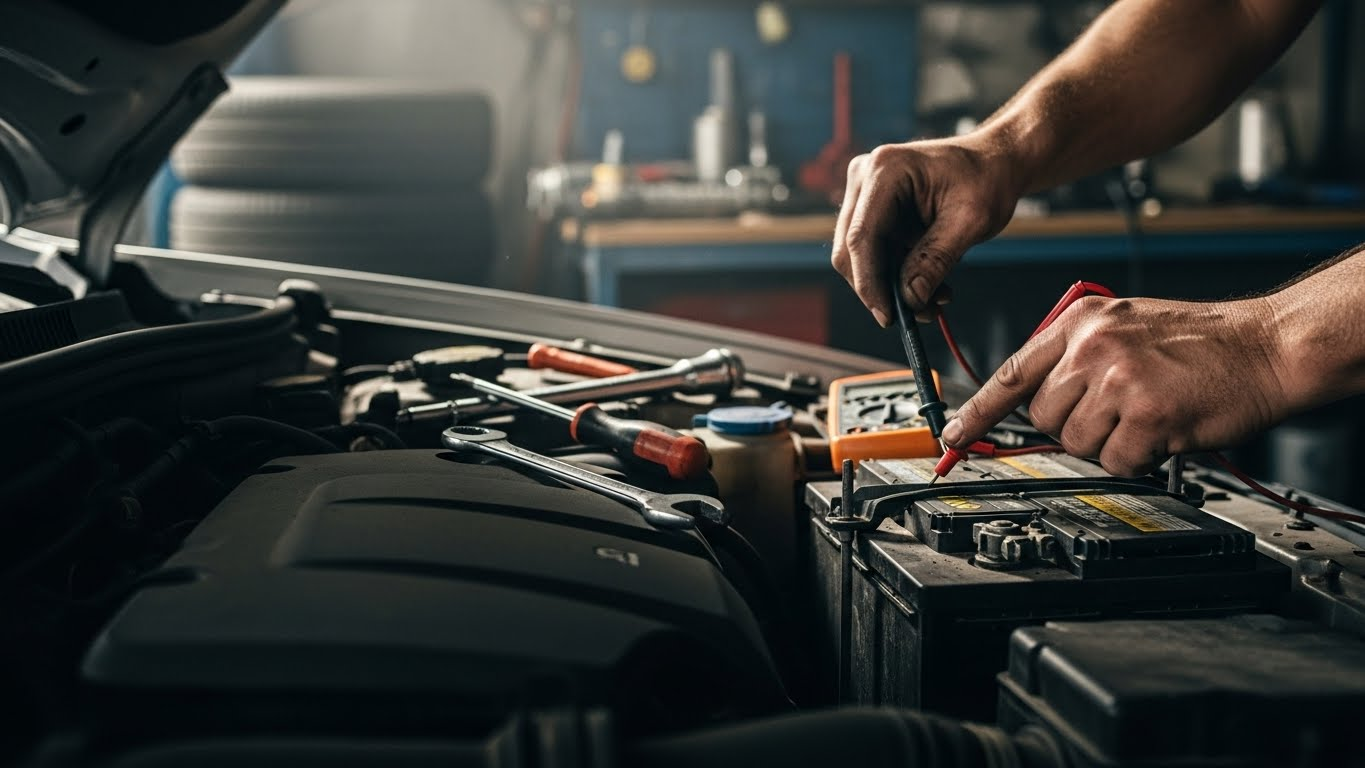
- Regular battery checks: Test voltage, inspect fluid levels, and check for leaks monthly.
- Shade parking: Use covered parking or shaded areas to protect the battery from direct sunlight.
- Drive regularly: A 15–20 minute drive at least once a week helps keep the battery active.
- Battery protectors: Insulated wraps or thermal covers reduce heat exposure and prolong battery life.
- Clean terminals: Remove corrosion and ensure tight connections to maintain strong current flow.
- Replace aging batteries: Don’t wait for failure; proactively replace batteries older than 3–4 years.
- Turn off electronics: Switch off lights, AC, or infotainment when the car is parked to avoid unnecessary drain.
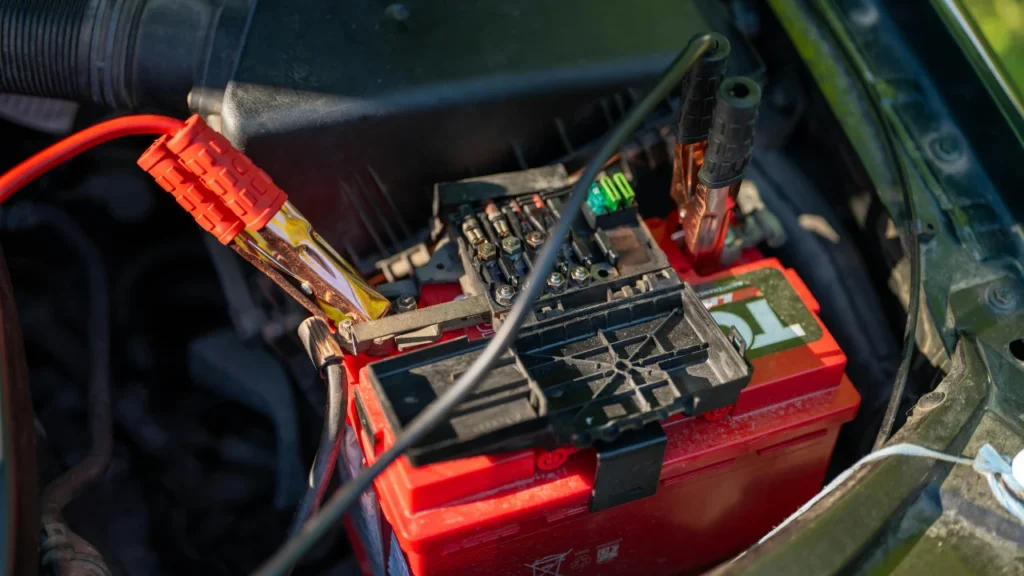
- Emergency tools: Keep jumper cables or a portable jump starter in the car for backup.
Why Choosing the Right Battery Matters
Not all batteries perform equally under Dubai’s extreme conditions. Premium batteries are designed to withstand high heat, provide strong cranking power, and discharge slowly when idle.
Investing in a reliable battery ensures consistent performance and fewer surprises.
For Dubai residents, Amaron Car Battery in Dubai is a trusted choice, offering durability, high performance, and peace of mind, even after a hot summer.
Seasonal Maintenance Tips
- Before summer: Test battery health and top up fluid levels if needed. Inspect cables and terminals for corrosion.
- During summer: Keep the car shaded, drive regularly, and avoid leaving electronics on while parked.
- After summer: Recheck battery condition, clean terminals, and consider professional testing for older batteries.
- Monitor for swelling or leaks: Heat can cause battery casings to swell or fluid to leak, both of which indicate the battery may need immediate replacement.
Additional Factors That Affect Battery Life
- Short trips: Frequent, very short drives don’t allow the alternator to recharge fully, gradually reducing battery capacity.
- High electricity use: Cars with heavy electrical loads (alarms, lights, entertainment) may experience faster discharge.
- Sudden temperature swings: Moving between air-conditioned garages and scorching outdoors stresses battery plates.
- Neglected maintenance: Dirt, corrosion, or low electrolyte levels make batteries more vulnerable to heat.
Signs You Need a New Battery Immediately
If you notice any of the following, it’s better to replace the battery before it fails:
- The car struggles to start or clicks repeatedly
- The battery is over 3–4 years old
- Swelling or leaking battery case
- Consistent low voltage readings
- Electronics perform irregularly while parked
Acting early can prevent getting stranded in the heat and reduce repair costs.
Conclusion
Dubai’s summer heat can silently damage car batteries, especially for weekend or rarely driven vehicles. High temperatures, inactivity, and heavy electrical use can all lead to sudden battery failure.
Regular maintenance, shaded parking, timely replacement, and choosing high-quality batteries can prevent these problems.
With the proper care, your car will start reliably even after months of scorching summer, saving you stress and unexpected repair costs.
